A Loose or Painful Implant
Movement or ongoing pain means something is wrong beneath the surface. Revision finds the cause and either stabilizes the implant or replaces it.
A failing, loose, or painful implant does not always mean starting over. If an implant placed elsewhere has let you down, Dr. Meskin can often diagnose it, save what can be saved, and rebuild what cannot.
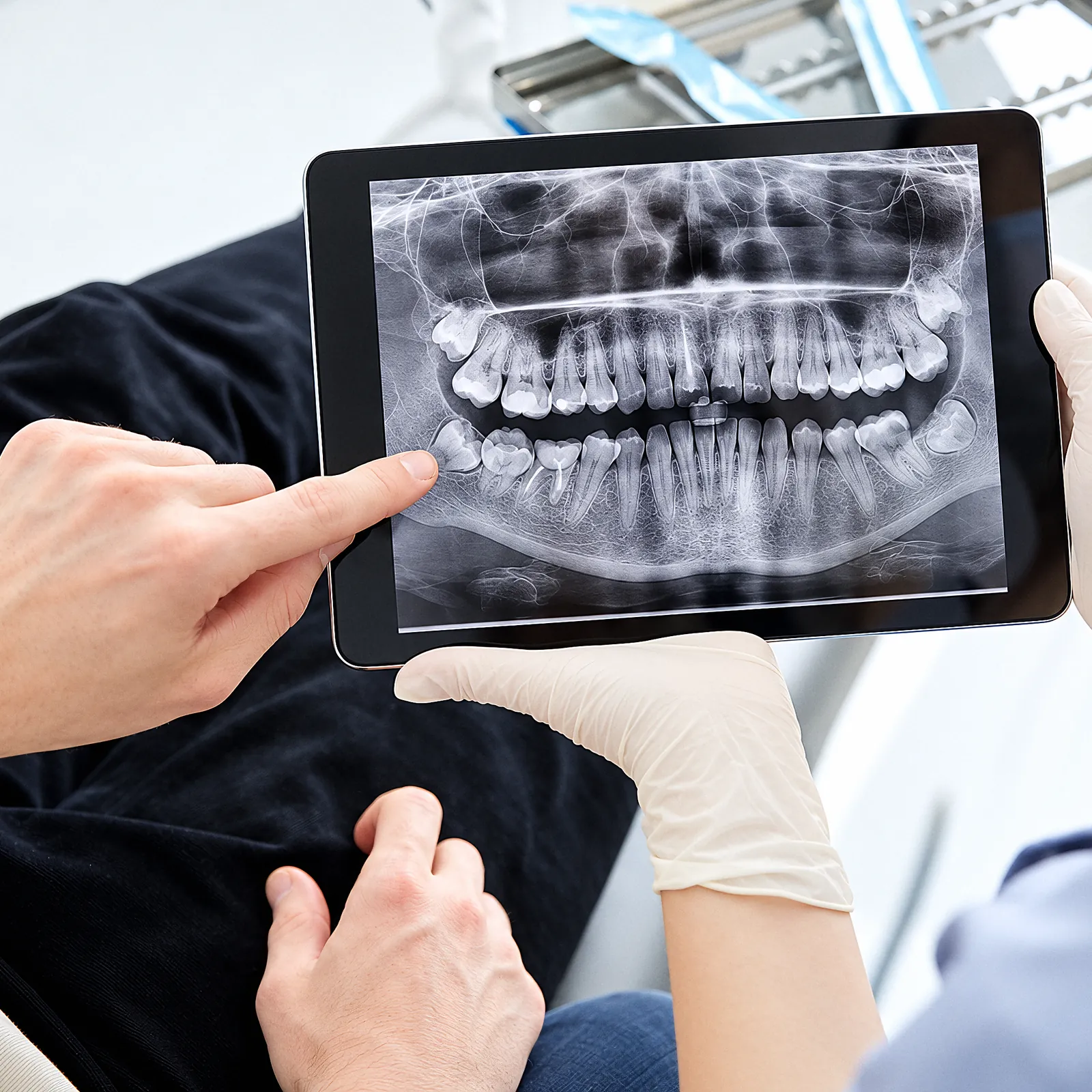
Implant revision is the diagnosis and repair of an implant that is failing, loose, painful, or simply was not done right the first time.
Sometimes that means treating an infection and saving the implant. Sometimes it means removing it, letting the site heal, and placing a new one. And sometimes it means redoing a crown, bridge, or full arch that never fit or looked the way it should.
Revision is harder than the original procedure, not easier. The specialist has to work out why the first attempt failed, deal with any bone or gum damage left behind, and then rebuild in a way that lasts. That takes a level of training most general dentists do not have.
This is exactly the kind of case a prosthodontist is built for. Dr. Meskin spends his days on complex implant and full-mouth work, including the cases other offices would rather refer out than take on.
Most people who come to us for revision are not first-time patients.
They have already been through an implant somewhere else, and something is wrong. Maybe it hurts. Maybe it moves. Maybe the crown never matched, or the whole thing simply failed. Often they were told nothing more could be done, or were left unsure who to trust next.
A second opinion costs you nothing but an hour, and it frequently changes the picture entirely. Many implants written off elsewhere turn out to be treatable once someone looks closely with the right tools.
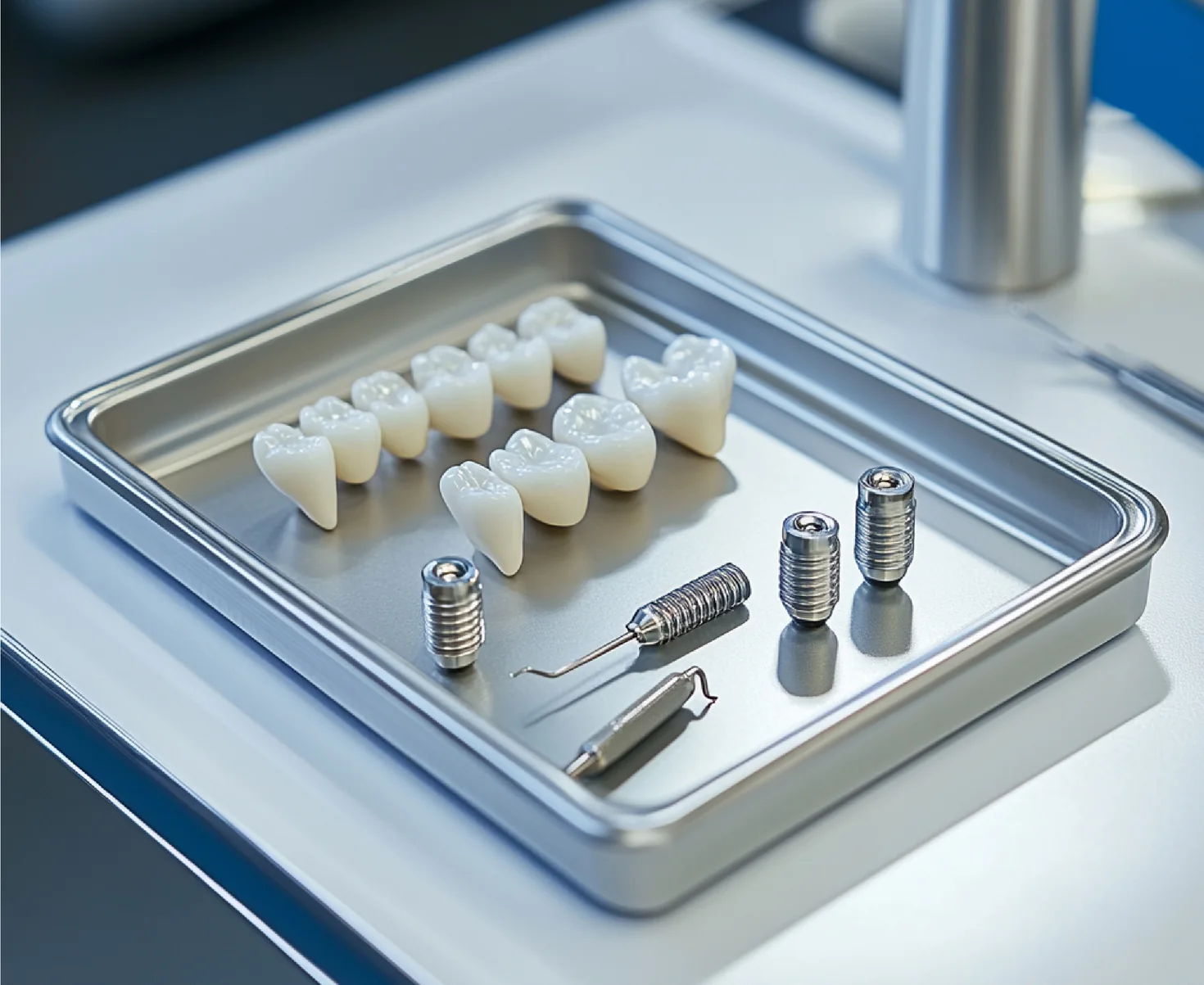
A problem implant affects more than one tooth.
It can hurt, harbor infection, damage the bone around it, and leave you afraid to chew on that side. Revision addresses the whole situation, not just the visible part. Here are the problems it solves most often.
Movement or ongoing pain means something is wrong beneath the surface. Revision finds the cause and either stabilizes the implant or replaces it.
Peri-implantitis, the infection that attacks the gum and bone around an implant, is treated directly, protecting the bone before more is lost.
When an implant has failed completely, the site is cleaned, rebuilt if needed, and a new implant is placed on a solid foundation.
When the restoration on top never fit, matched, or functioned properly, Dr. Meskin redesigns and remakes it in our lab so it finally looks and works right.
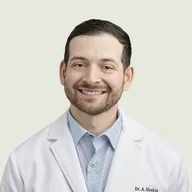
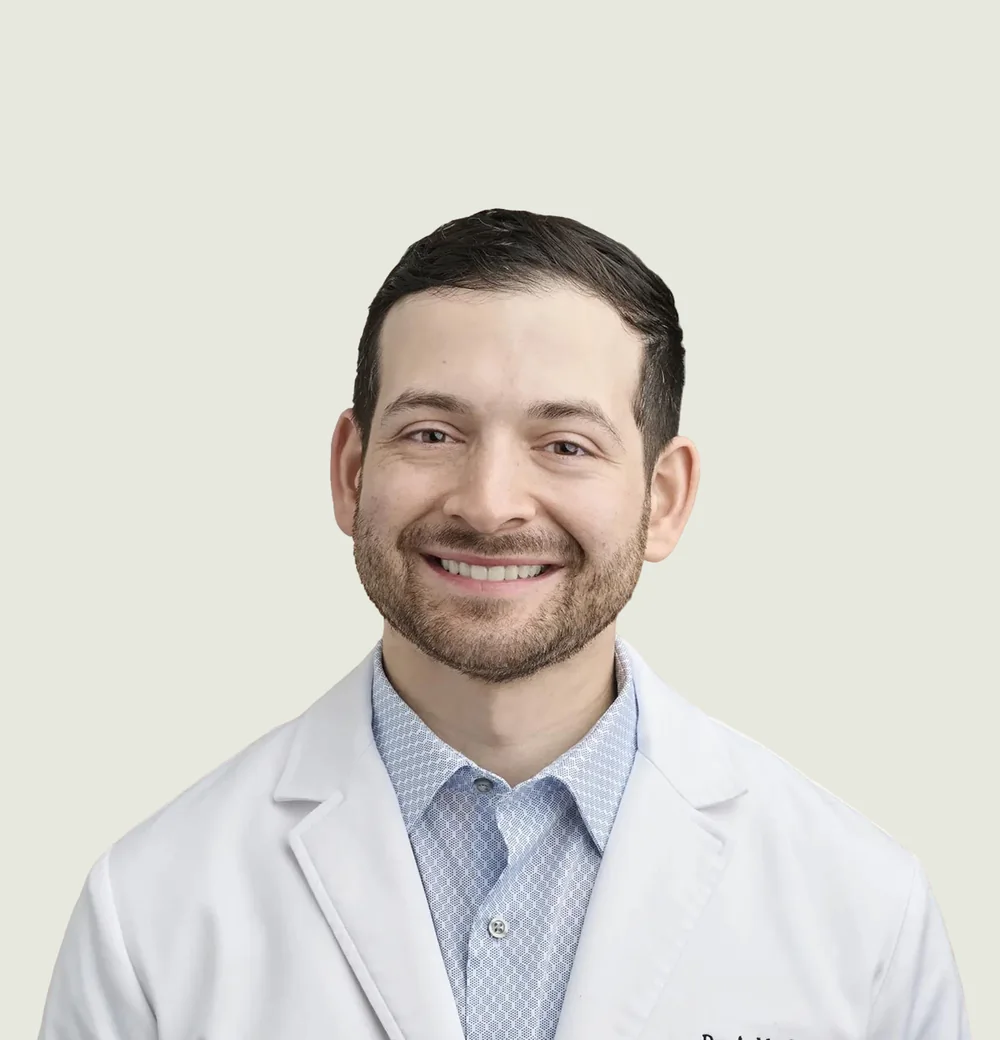 Prosthodontist · Implant Specialist
NYU-trained specialist in replacing and restoring teeth.
Dr. Meskin is a prosthodontist dedicated to one thing: replacing and restoring teeth so they look, feel, and function like the ones you were born with.
He earned his Doctor of Dental Surgery degree and completed his specialty training in prosthodontics at NYU, then refined his implant work as an associate prosthodontist at ClearChoice, one of the largest dental implant networks in the country. Today he leads Hackensack Center for Dental Implants, where every case is planned in 3D, fabricated in an on-site lab, and designed around the patient sitting in front of him. He provides care in English, Spanish, and Russian.
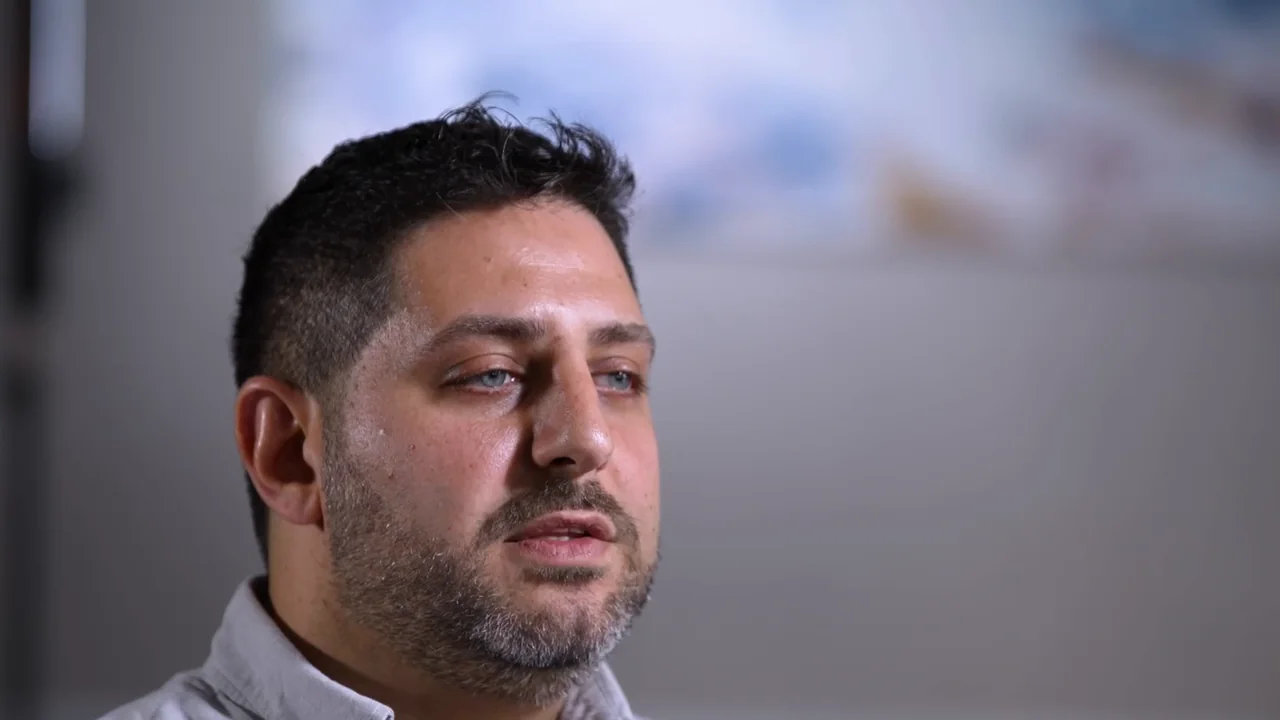
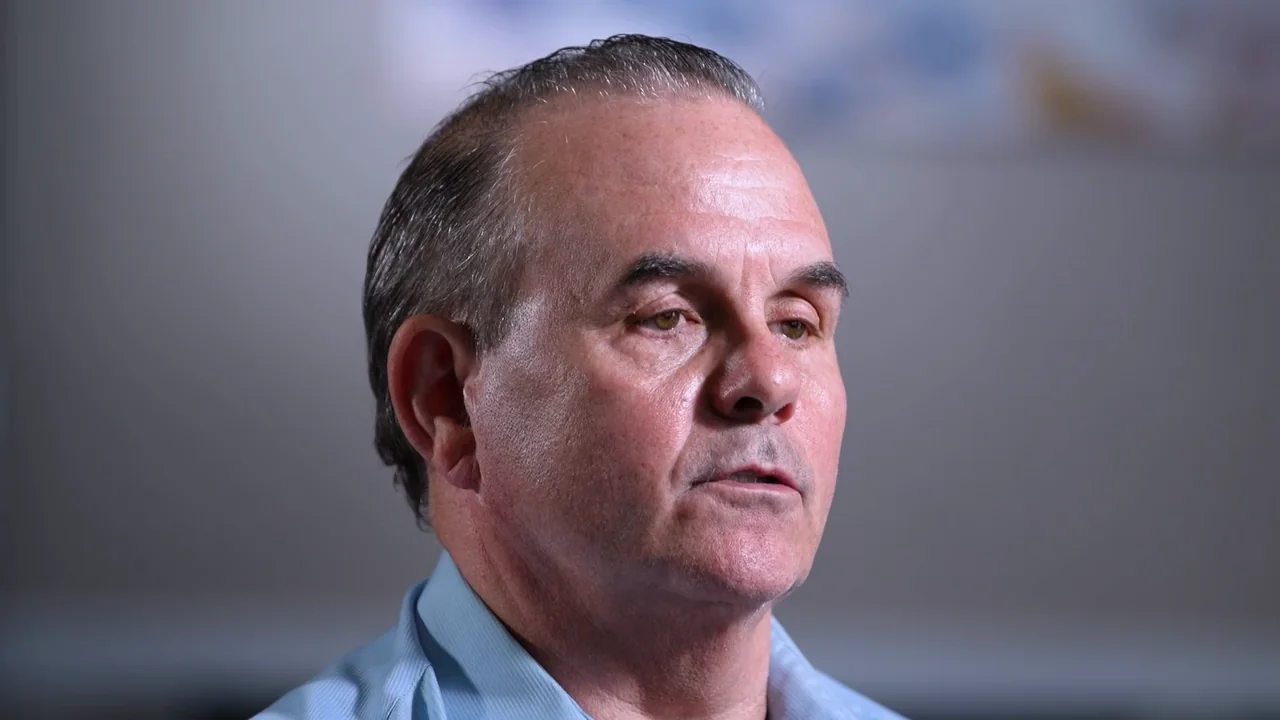
Hear the real stories of patients who were right where you are, in their own words.
Every revision follows the same first step, a proper diagnosis, and then splits into different paths depending on what we find.
Some cases stay non-surgical. Some involve removal, healing, and replacement. Dr. Meskin will tell you which one applies to you after the workup, with a clear plan and a firm estimate before you commit to anything.
Your first visit is where the real work happens.
We review your history, examine the existing implant, and take a 3D cone beam scan to see what is going on around and beneath the site. This visit covers a lot:
Based on the workup, we tell you what the options are. Broadly, cases go one of three ways.
The treatment stage depends on the path.
Non-surgical revisions may be complete in one to two visits. Surgical save cases involve a small procedure and a healing period. Remove-and-rebuild cases involve removal, sometimes bone grafting, and eventually a new implant. All of it is done under local anesthetic, with sedation available if you want it.
If a new implant is placed, the healing period is where bone fuses with it.
That takes a few months, and revision sites sometimes take a little longer than a first-time site because the surrounding bone has already been through one procedure. We see you back for a check or two to confirm healing is on track. Studies report second implants in previously failed sites succeed at around 88 to 93 percent when the underlying cause is diagnosed and corrected first.
The final crown, bridge, or full-arch is made in the on-site lab, matched to the shade and shape of the teeth around it, and adjusted so the bite loads evenly across the site. From there, we see you back for check-ins to make sure the result stays healthy. Regular cleanings and follow-up are especially important for revision patients, because the goal is to make sure the cause that failed the first implant does not repeat.

Cherry is one of the most popular healthcare financing options, built specifically for dental and medical care.
You can apply in minutes with a soft credit check that does not affect your score, and qualified applicants can access 0% APR plans with no deferred interest. Payment terms range from 3 to 60 months.

HFD focuses on making larger treatment plans manageable, with flexible structures designed to fit a range of budgets and credit situations.
Our coordinators can walk you through whether HFD is the right fit for your treatment.

Proceed specializes in financing larger and more comprehensive dental cases, such as full-arch and full-mouth treatment, with longer installment options and true 0% APR plans for those who qualify.

CareCredit is a long-established healthcare credit card offering promotional no-interest periods when the balance is paid in full within the promotional window.
Our coordinators will explain the terms clearly, so you know exactly how the promotional period works before you commit.
Often, yes. Some struggling implants are saved by treating the infection or replacing a component. Others need to be removed, with a new implant placed after the site heals. The only way to know which applies to you is a 3D scan and an exam.
Maybe, but it is worth a second opinion. Even implants that have failed completely can usually be redone after the site heals, sometimes with a bone graft. Being told no at one office does not always mean no everywhere.
The common causes are infection around the implant, an implant that never fully fused with the bone, bone loss, too much bite pressure from grinding, or a placement that was not quite right. Part of revision is working out exactly which it was, so it does not happen again.
It is done with local anesthetic and sedation is available. Many revision steps, like treating an infection or replacing a component, are minor. Dr. Meskin will walk you through what your specific case involves.
It depends entirely on what needs to be done, from a simple component replacement to a full removal, graft, and new implant. After your scan you receive a clear written estimate, plus financing options.
Usually not for long. Where a temporary is possible, one is provided so you are not left with a visible gap while the site heals.
Yes. We work with Cherry, HFD, Proceed, and CareCredit, and our treatment coordinators will help you find a plan that fits. We also verify any insurance benefits up front.
If an implant has let you down, book a consultation and get an honest, specialist opinion on what can be done. At Hackensack Center for Dental Implants, your comfort, your confidence, and your smile always come first.